
VorenX for private equity and m&a
Buy a company on Monday. See it on Tuesday.
Every acquisition arrives with its own payroll, timekeeping and accounting. Instead of a year-long migration before anything can be compared, VorenX plugs the acquired company's systems in underneath. Its people get the same screens as everyone else, and the fund sees one portfolio from the first day. The back end can be migrated later, on the fund's schedule, without anyone noticing.
Updated
What every role sees
| Role | What they see in VorenX | Their screen on this site |
|---|---|---|
| Employee | Schedule, pay and training in the same screen from day one. | Phone with their department's lessons |
| Portfolio company GM | Their company's labor, cash and operations without changing their tools on day one. | Payroll home |
| Operating partner | Every portfolio company compared on the same measures. | Example screen |
| Fund CFO | Labor, cash and payroll reconciled across companies. | GL reconciliation |
| Managing partner | The portfolio in one view. | Example screen |
The problem today
- Each portfolio company runs different payroll, HR and accounting.
- Comparisons wait for a long systems migration.
- Migrations force everyone to learn new software.
What changes with VorenX
Day one
The acquired company's systems plug in underneath. Its managers log in to the same screens.
Day one comparisons
Labor, cash and training compared across companies right away.
Month six
Move them onto the fund's payroll and ERP. Nobody retrains; only the source label changes.
Systems that plug in underneath
These are examples of systems portfolio companies commonly run. Each one plugs in underneath VorenX, keeps its job as a system of record, and gets approved changes written back.
NetSuite
Accounting and ERP: general ledger, accounts payable, budgets in; labor accruals, journal entries back.

QuickBooks
Accounting and ERP: general ledger, accounts payable, budgets in; labor accruals, journal entries back.

Sage Intacct
Accounting and ERP: general ledger, accounts payable, budgets in; labor accruals, journal entries back.
Workday
HR and HCM: employees, positions, hire dates in; new hires, position changes, certifications back.
ADP Workforce Now
Payroll: pay statements, earnings, deductions in; approved hours, bonuses and adjustments back.

Paychex
Payroll: pay statements, earnings, deductions in; approved hours, bonuses and adjustments back.
UKG Pro
HR and HCM: employees, positions, hire dates in; new hires, position changes, certifications back.

Gusto
Payroll: pay statements, earnings, deductions in; approved hours, bonuses and adjustments back.

Rippling
HR and HCM: employees, positions, hire dates in; new hires, position changes, certifications back.

Salesforce
CRM and pipeline: pipeline, accounts in; rep certifications back.
Dynamics 365
Accounting and ERP: general ledger, accounts payable, budgets in; labor accruals, journal entries back.
Questions one AI can answer across those systems
- How does labor as a share of revenue compare across portfolio companies this quarter?
- Which portfolio companies have payroll not yet reconciled to the general ledger?
- What changed in overtime after the last acquisition?
Questions private equity and m&a teams ask
How do you integrate an acquired company's payroll and HR systems?
Plug the acquired company's systems in underneath a top layer on day one, compare and run both companies together, then migrate the back end later without retraining.
How do private equity firms see labor and payroll across portfolio companies?
Plug each portfolio company's payroll, HR and accounting in underneath one top layer, match people and locations, and see every company on the same measures.
Training for each department you run
Pick only the departments you have. Each one gets its own short lessons and quick checks, so nobody scrolls past training meant for another team.
Real screens that fit private equity and m&a
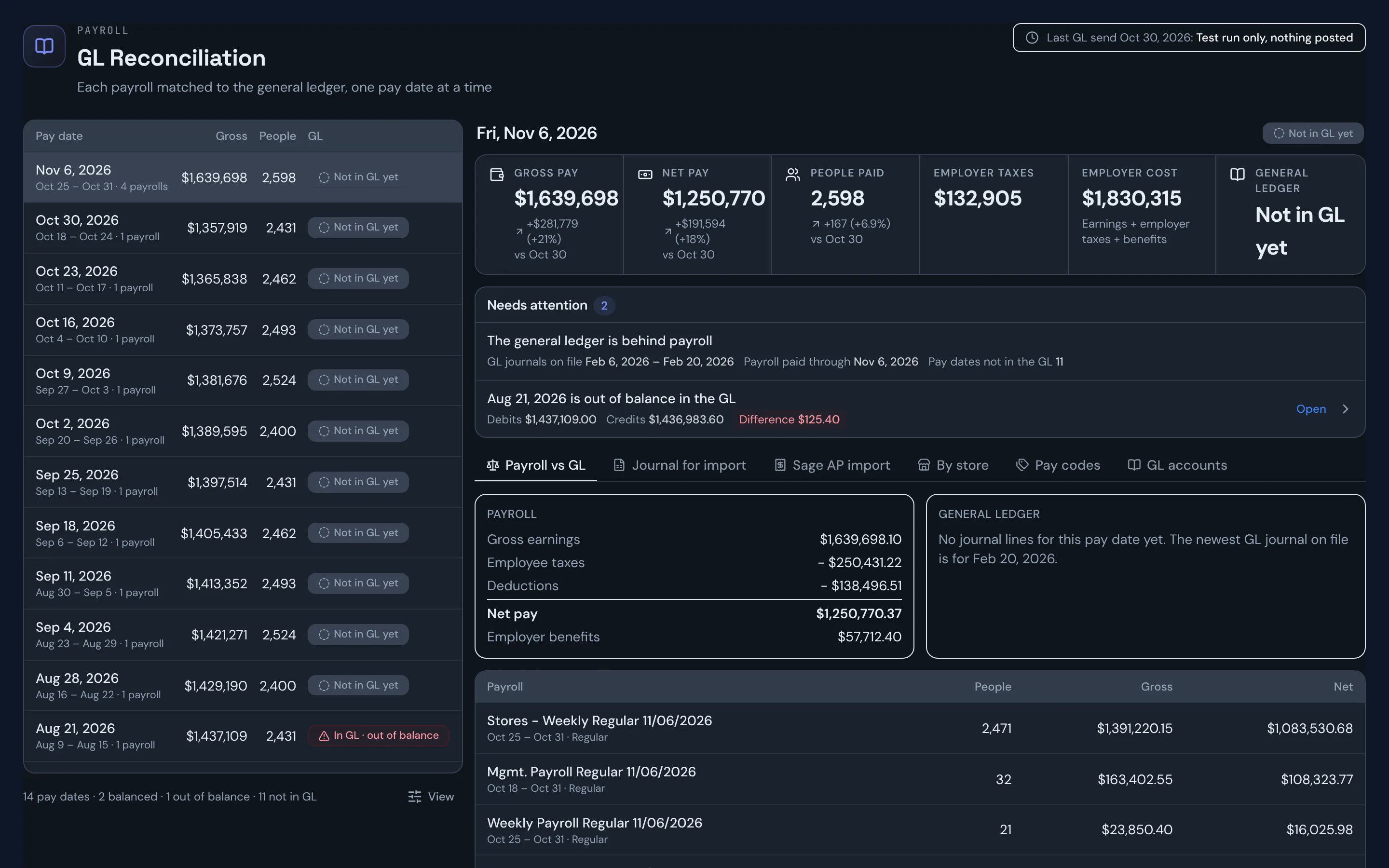
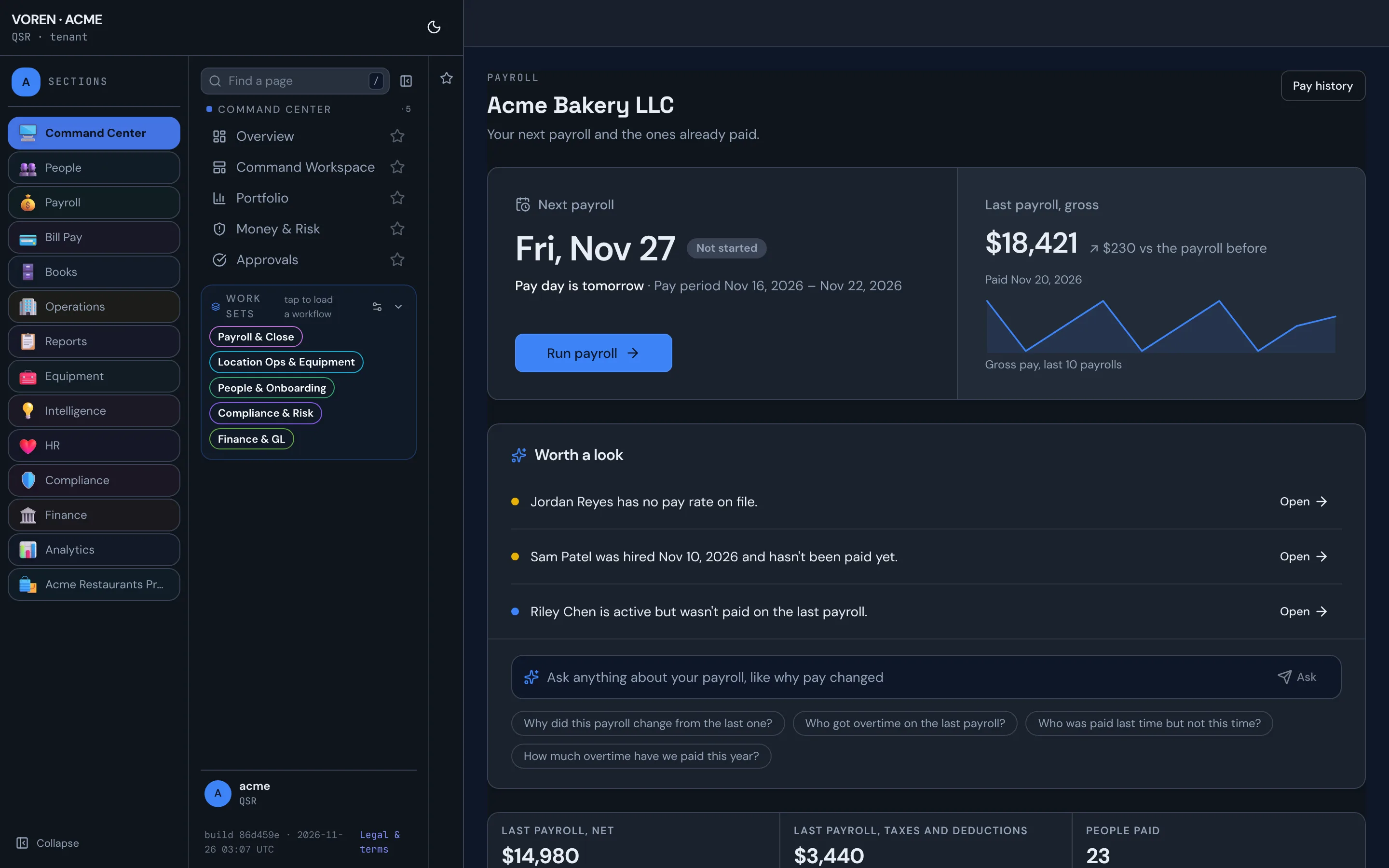
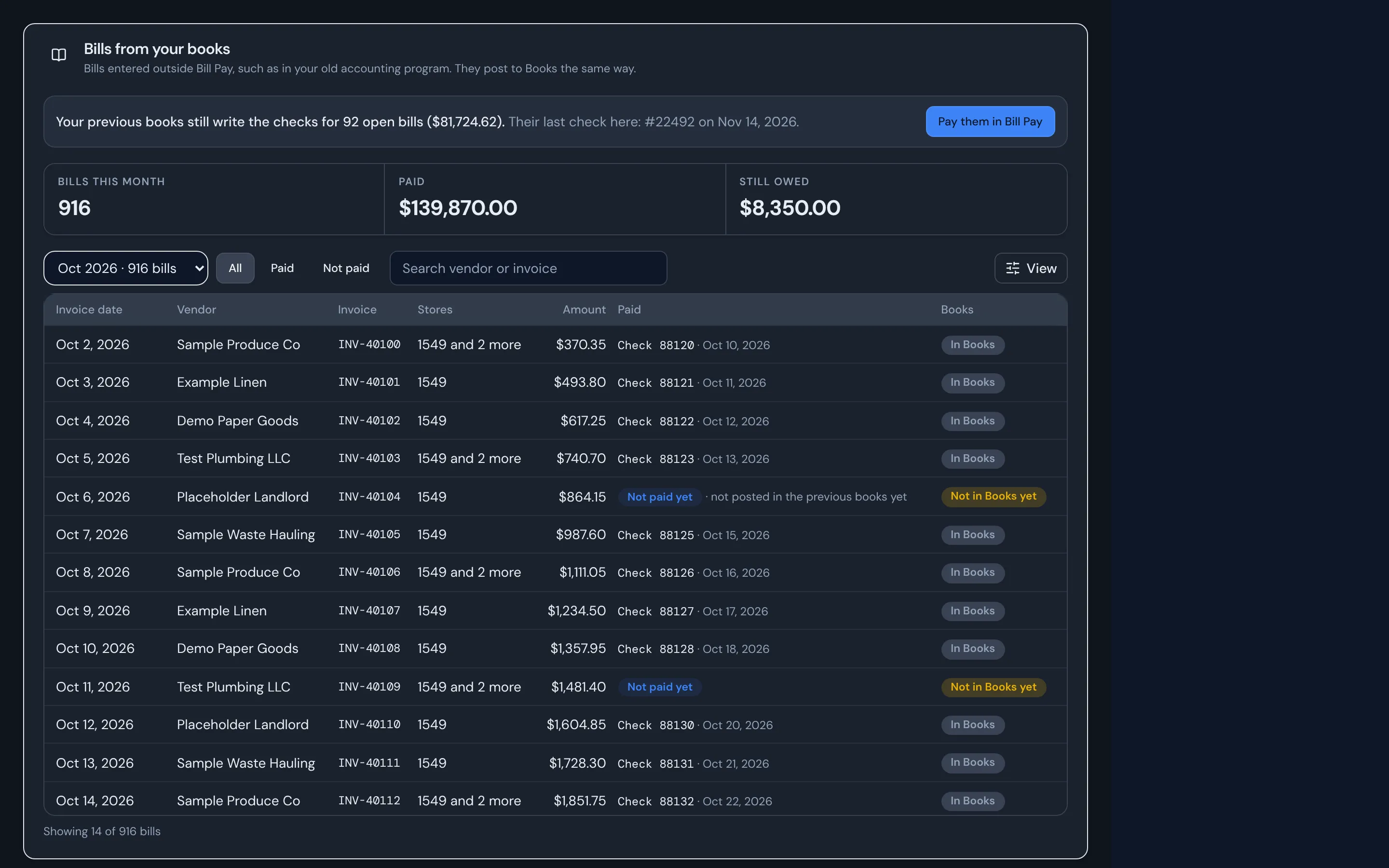
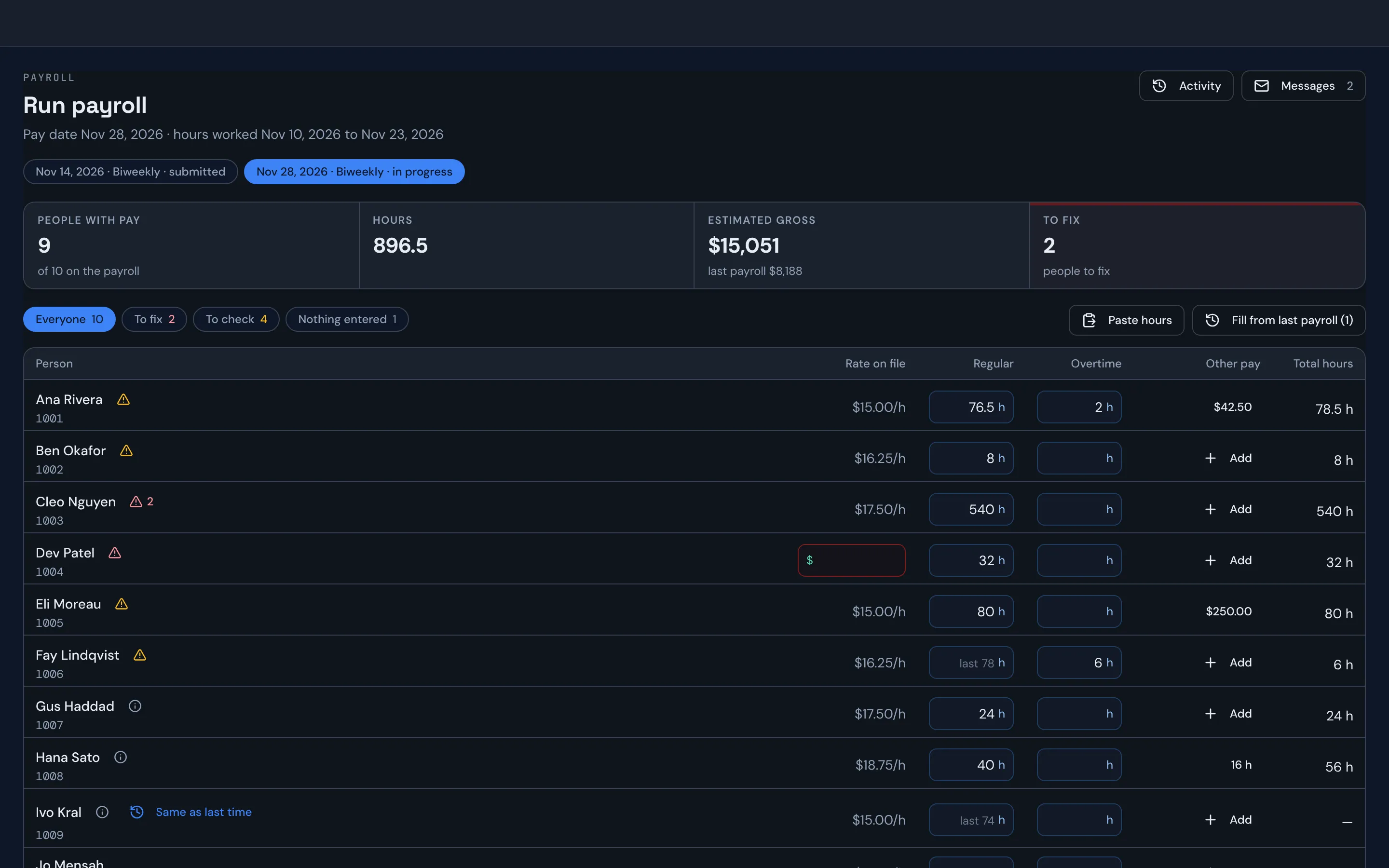
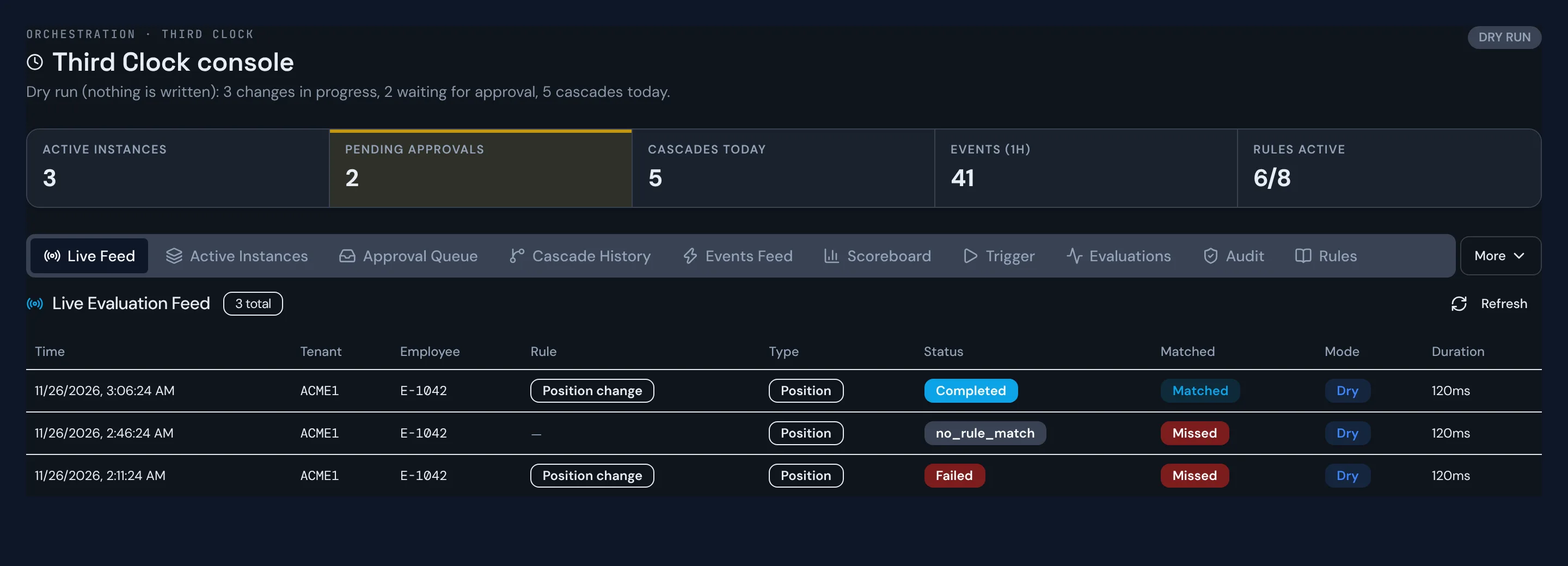
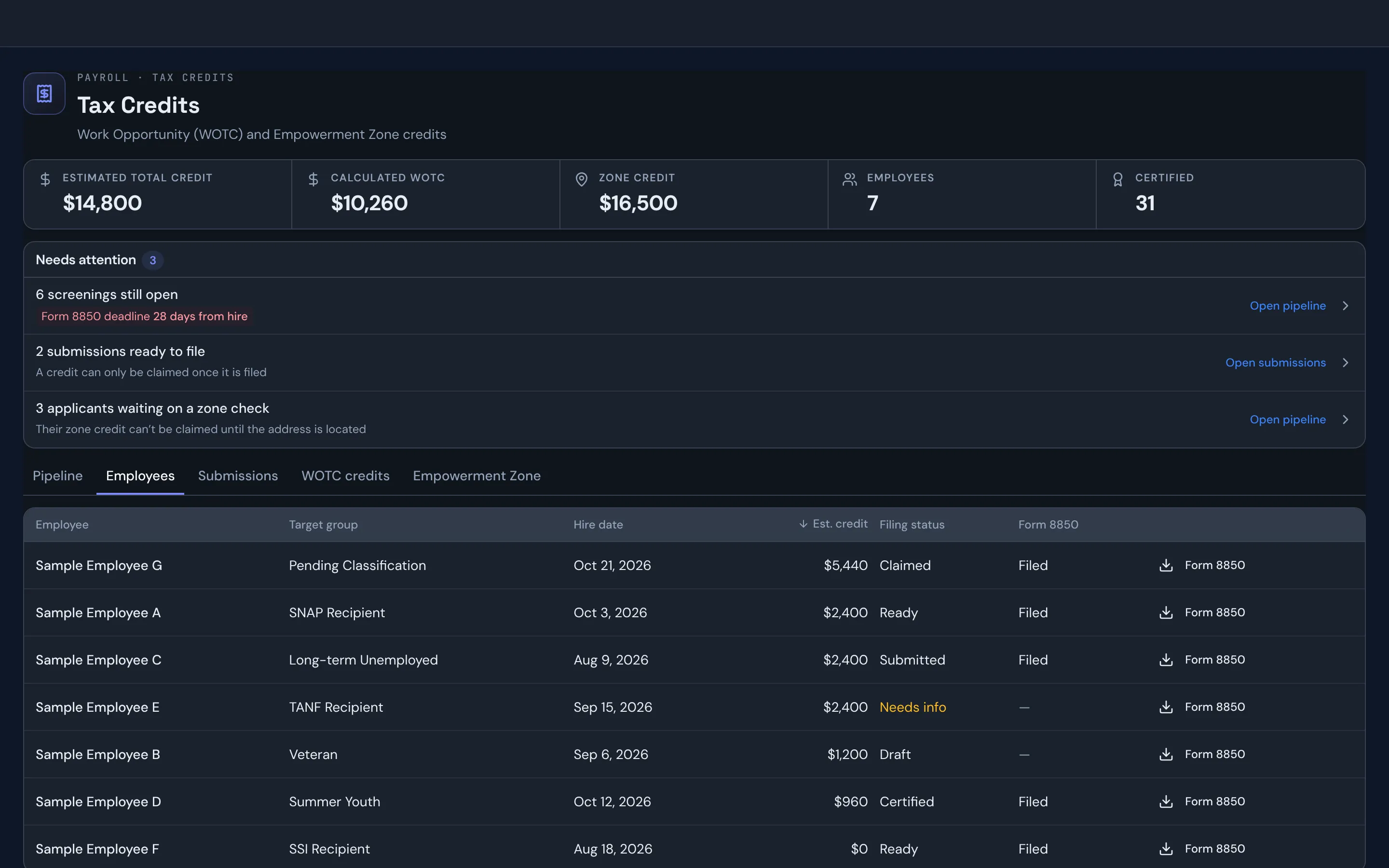
Real VorenX screens. Every name, store and figure is made up.
Questions people ask
How fast can an acquired company be added?
As soon as its systems are connected. VorenX plugs the acquired company's payroll, timekeeping and accounting in underneath, so its people and numbers appear in the same screens without a migration first.
Do we have to migrate acquired companies onto our systems?
Not before you can see them. You can migrate later on your own schedule. Because people work in VorenX, a back-end migration does not mean retraining.
Can operating partners compare portfolio companies on the same measures?
Yes. People, locations and pay are matched across companies, so labor, cash and training are compared on the same basis.
Keep reading
The third clock
The VorenX third clock checks every connected system against the top layer on every sync, flags disagreements, lets a person decide what is true, and writes it back.
The training feed
VorenX replaces manuals with a scrollable feed of short vertical training videos and quick checks. Completions and certifications write back to HR and scheduling.
Roles
VorenX is built down from people: frontline teams, managers, area supervisors, payroll and finance, owners, HR, IT and vendors each get one screen built for their job.
Systems Concierge
Every VorenX customer gets a Systems Concierge: a managed-services team that knows your systems, works with your IT team and vendors, and keeps everything in sync.