
VorenX for healthcare and hospitals
One layer over the EHR, staffing, HR and payroll
VorenX gives hospitals and health systems one role-based layer above the EHR, timekeeping, staffing, HR, learning and payroll systems they already run. Nurses see their schedule, pay and competencies. Unit managers see census and acuity next to staffing. Directors of nursing see every unit rolled up. Each department (nursing, maintenance, dietary, finance) is a rooftop with its own systems and documents, and they all roll up the same way.
Updated
What every role sees
| Role | What they see in VorenX | Their screen on this site |
|---|---|---|
| Nurse (RN, LPN, CNA) | Schedule, pay, open shifts, required competencies and the training feed. | Phone with their department's lessons |
| Unit manager | Census and acuity next to who is on, open shifts, overtime risk and approvals. | Week schedule |
| Director of nursing | Every unit rolled up: staffing against census, competencies, overtime. | Healthcare command center |
| Finance | Labor cost by unit reconciled to payroll and the general ledger. | Run payroll |
| CEO / CNO | The whole system in one view, across hospitals and departments. | Example screen |
The problem today
- Census and acuity live in the EHR while staffing lives in another system.
- Competencies and certifications are tracked apart from scheduling.
- Overtime and agency spend are found at month end.
- Every department has its own paperwork and filing.
What changes with VorenX
Staffing against census
Who is on next to census and acuity, by unit and shift.
Competencies that gate scheduling
Completions write back so only qualified staff are scheduled.
Departments as rooftops
Nursing, maintenance, dietary and finance each roll up the same way.
People across hospitals
Clinical and HR feeds matched so one person is one record across a system.
Systems that plug in underneath
These are examples of systems units commonly run. Each one plugs in underneath VorenX, keeps its job as a system of record, and gets approved changes written back.

Epic
EHR and clinical: census, acuity, unit staffing in; staff competencies back.

Oracle Health
EHR and clinical: census, acuity, unit staffing in; staff competencies back.

MEDITECH
EHR and clinical: census, acuity, unit staffing in; staff competencies back.

UKG Pro
HR and HCM: employees, positions, hire dates in; new hires, position changes, certifications back.
UKG Workforce Central
Scheduling and timekeeping: schedules, punches, time off in; shift swaps, trained-for-station flags, approved schedule changes back.

API Healthcare
Scheduling and timekeeping: schedules, punches, time off in; shift swaps, trained-for-station flags, approved schedule changes back.
Workday
HR and HCM: employees, positions, hire dates in; new hires, position changes, certifications back.

Infor Lawson
Accounting and ERP: general ledger, accounts payable, budgets in; labor accruals, journal entries back.

Relias
Learning management: course history in; training feed completions back.

Dayforce
Payroll: pay statements, earnings, deductions in; approved hours, bonuses and adjustments back.
ADP Workforce Now
Payroll: pay statements, earnings, deductions in; approved hours, bonuses and adjustments back.
Questions one AI can answer across those systems
- Which units were understaffed against acuity last week, and what did overtime cost?
- Who is scheduled next week without a current competency for their unit?
- Which departments have documents waiting to be filed or approved?
Questions healthcare and hospitals teams ask
How do hospitals match staffing to census and acuity?
Join census and acuity from the EHR with who is scheduled and on shift, competencies from HR and learning, and overtime from payroll, by unit and shift.
How do hospitals make sure nurses have the right competencies before a shift?
Join competencies and certifications from HR and learning with the schedule and unit needs, so managers see gaps before the shift and not in an audit.
Training for each department you run
Pick only the departments you have. Each one gets its own short lessons and quick checks, so nobody scrolls past training meant for another team.
Nursing (RNs and LPNs)
3 example lessons for healthcare and hospitals.
CNAs and caregivers
2 example lessons for healthcare and hospitals.
Kitchen and dining
4 example lessons for healthcare and hospitals.
Housekeeping and environmental services
2 example lessons for healthcare and hospitals.
Front desk and reception
2 example lessons for healthcare and hospitals.
Maintenance and facilities
3 example lessons for healthcare and hospitals.
Real screens that fit healthcare and hospitals
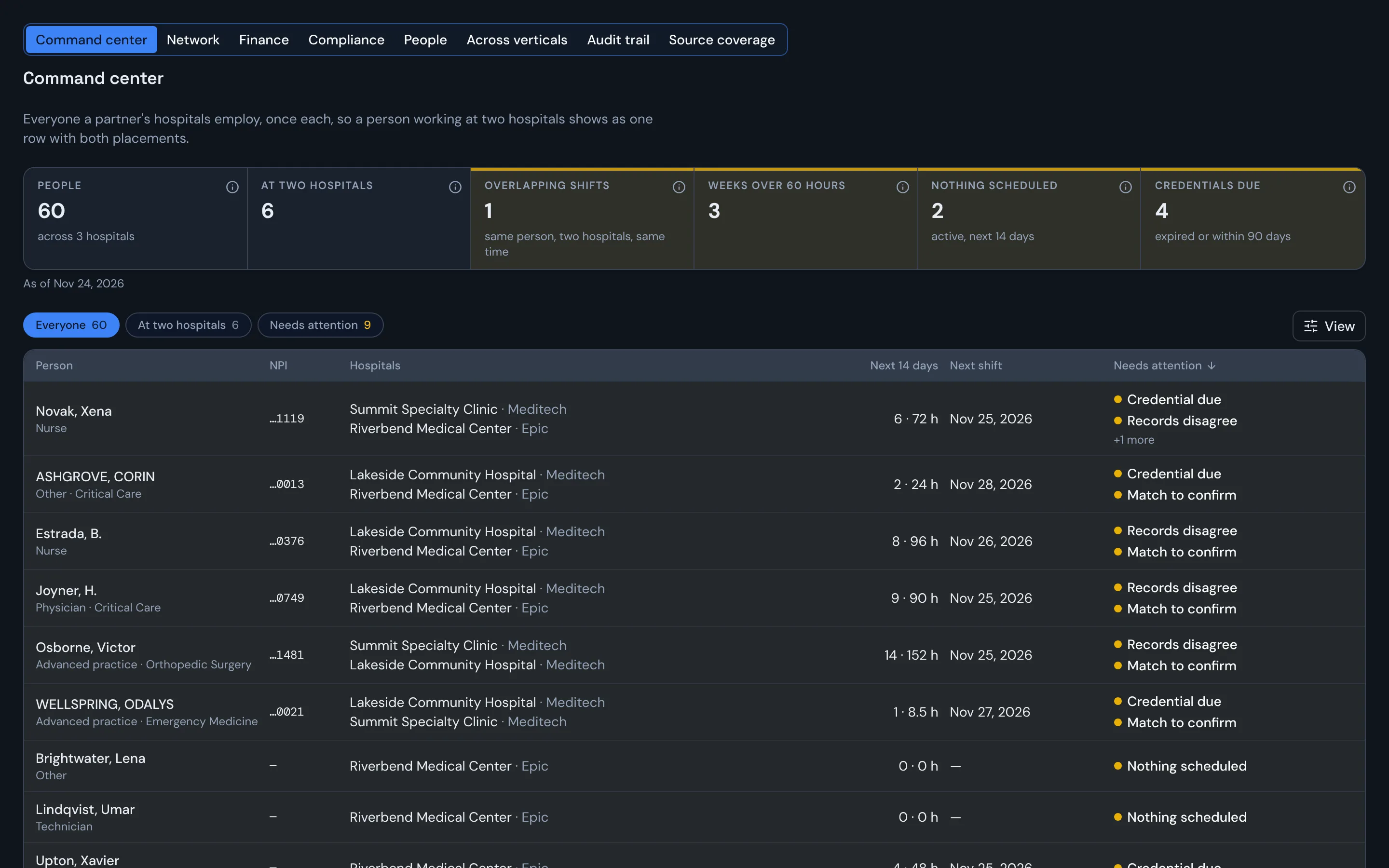
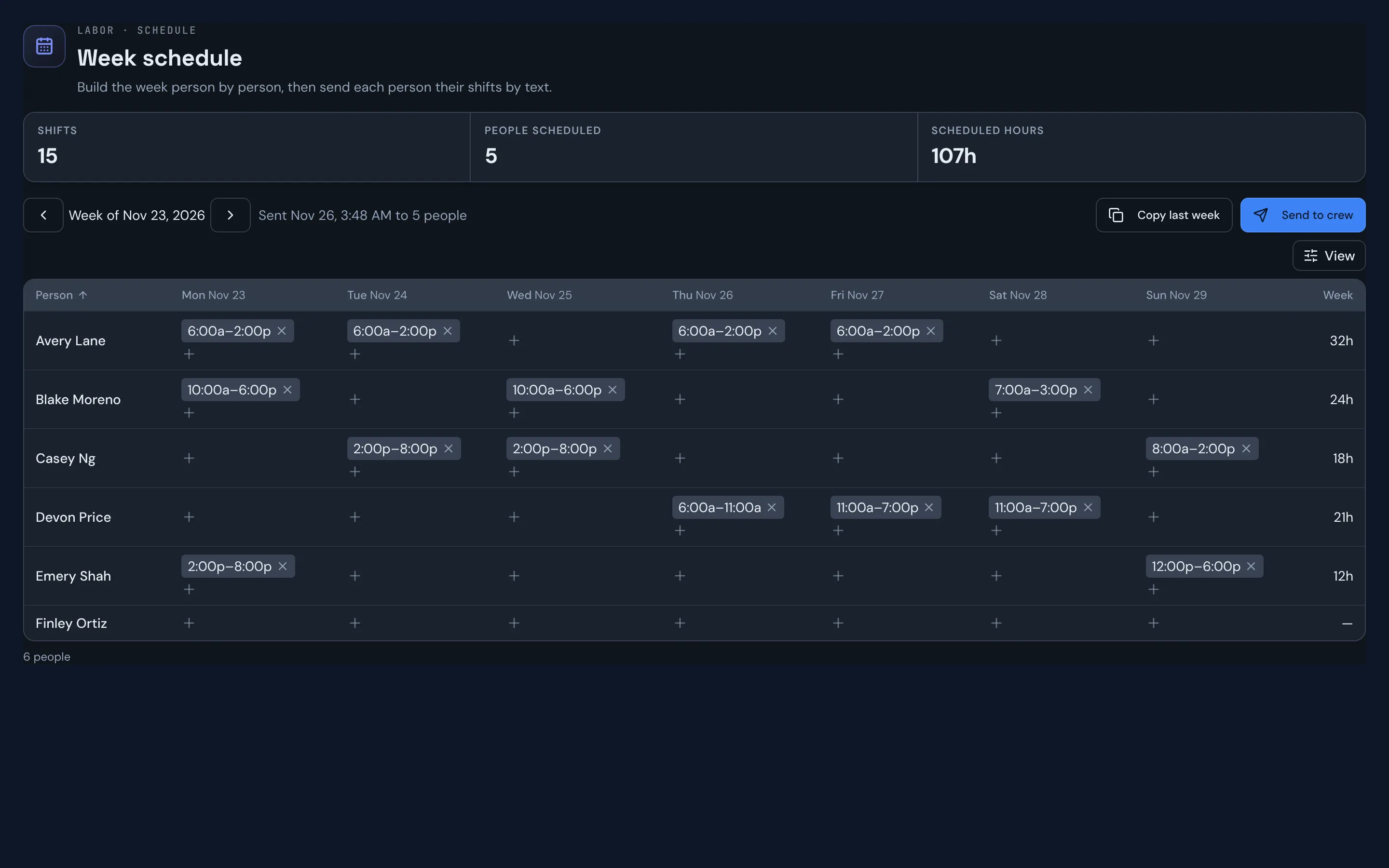
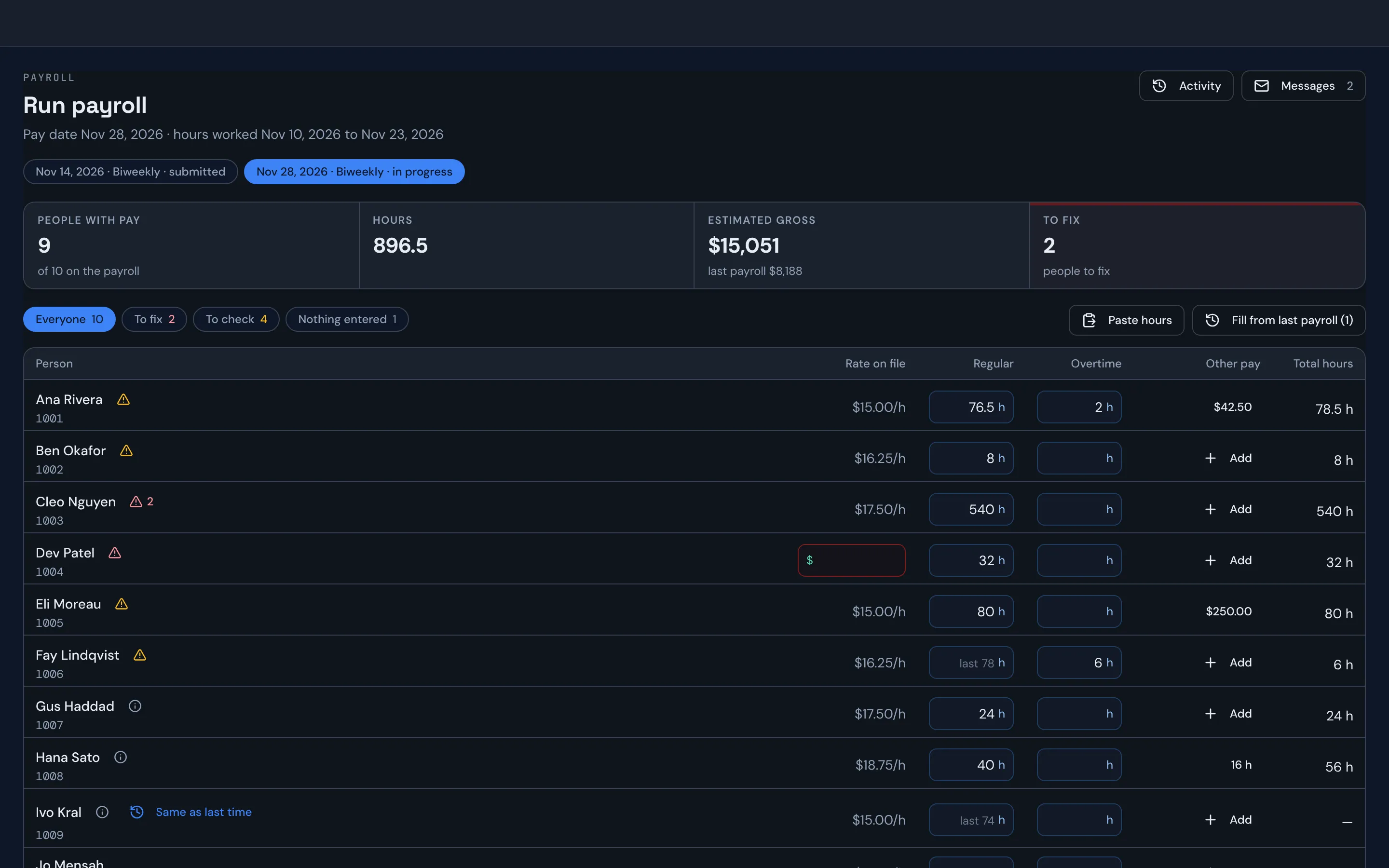
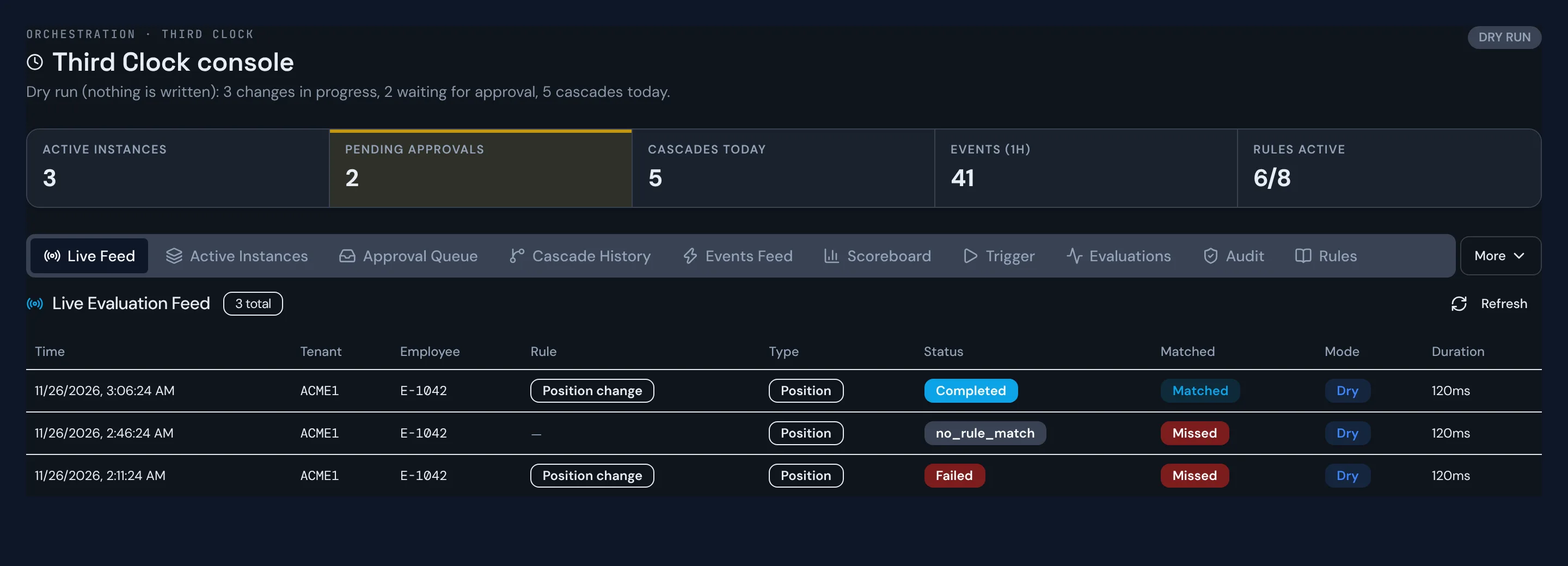
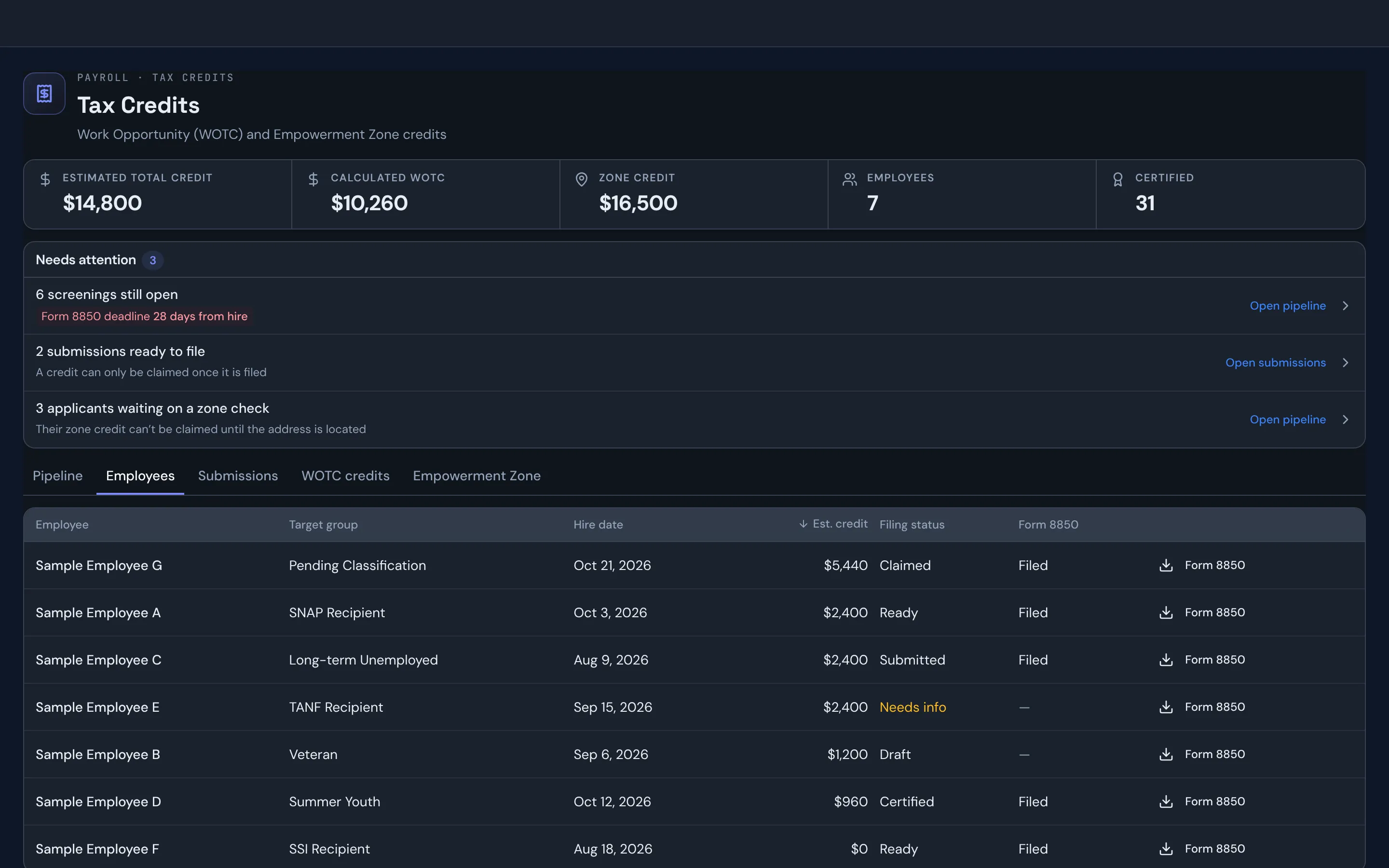
Real VorenX screens. Every name, store and figure is made up.
Questions people ask
Does VorenX replace the EHR?
No. The EHR stays the clinical system of record. VorenX reads operational data such as census, acuity and unit staffing from it and joins it with timekeeping, HR and payroll for each role.
Can each hospital department be managed separately?
Yes. Each department is a rooftop in VorenX, with its own systems, documents and roll-ups, and all departments roll up into the hospital and the health system.
Do competencies sync back to scheduling?
Yes. Completions and certifications flow back to the HR and scheduling systems so only qualified staff are scheduled.
Keep reading
The third clock
The VorenX third clock checks every connected system against the top layer on every sync, flags disagreements, lets a person decide what is true, and writes it back.
The training feed
VorenX replaces manuals with a scrollable feed of short vertical training videos and quick checks. Completions and certifications write back to HR and scheduling.
Roles
VorenX is built down from people: frontline teams, managers, area supervisors, payroll and finance, owners, HR, IT and vendors each get one screen built for their job.
Systems Concierge
Every VorenX customer gets a Systems Concierge: a managed-services team that knows your systems, works with your IT team and vendors, and keeps everything in sync.